
I used to think a cheese soufflé was something you could improvise.
Spoiler: it isn’t.
The first attempt was a masterclass in overconfidence. I whisked the egg whites while the Gruyère was still scorching hot, rushed the cooling stage, ignored the ramekin rims, and slid everything into the oven convinced I’d cracked the secret.
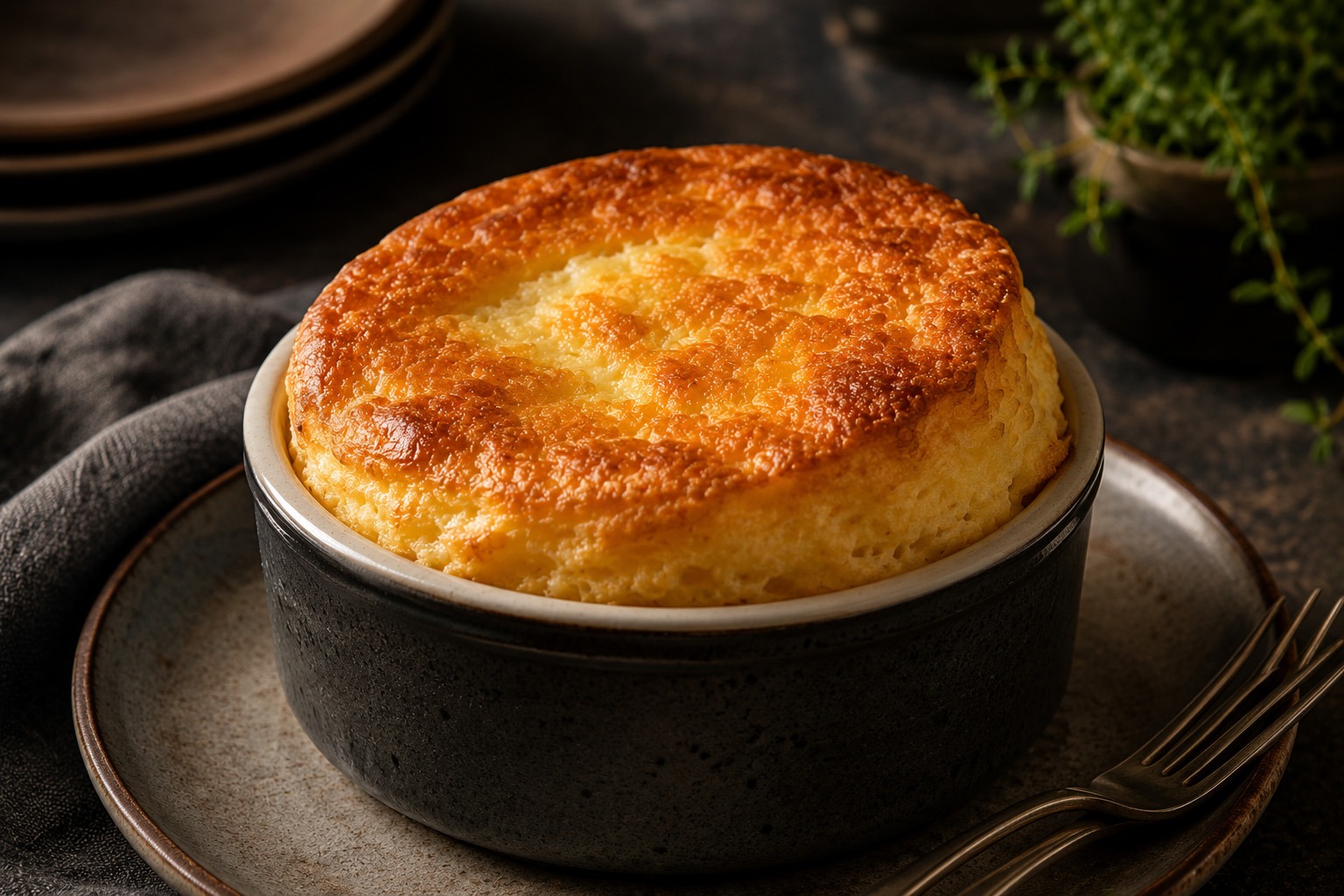
For a few glorious minutes, they looked magnificent—towering, bronzed, impossibly light.
Then they sank.
Not gently. Spectacularly.
What had been proud, cloud-like soufflés became flat, dense reminders that French cooking has very little patience for shortcuts.
The breakthrough came when I stopped trying to outsmart the recipe. I slowed every movement, respected every pause, and treated each stage as though it mattered—because it does. A great soufflé isn’t built on luck or speed; it’s built on precision, patience, and impeccable timing. Once you understand that, everything changes.
Why This Soufflé Works
A remarkable cheese soufflé is equal parts science and craftsmanship. Every ingredient and every technique serves a purpose, creating a delicate structure capable of rising dramatically while remaining feather-light inside.
The secret lies in three foundations:
A silky, well-cooked béchamel that delivers richness, flavour and the strength needed to support the rise.
Perfectly whipped egg whites that create millions of tiny air pockets, giving the soufflé its signature lift without sacrificing stability.
Carefully controlled baking that allows the exterior to set before the delicate interior has a chance to collapse.
When these elements work together, the result is nothing short of magical—a deeply savoury soufflé with a crisp golden crown and an impossibly airy centre.
The Mistakes That Bring It Down
Even experienced cooks stumble over the same handful of errors.
Opening the oven door too early allows precious heat to escape, causing the soufflé to lose the momentum that keeps it rising.
Adding egg yolks to a base that’s too hot risks cooking them instantly, leaving you with scrambled eggs instead of a smooth, luxurious mixture.
Whipping the egg whites beyond glossy stiff peaks creates a dry, fragile foam that cannot expand properly in the oven.
Folding too aggressively knocks out the very air you’ve worked so hard to build, leaving the soufflé heavy before it has even begun to bake.
The beauty of a soufflé is that it rewards restraint. Every careful fold, every patient pause, and every degree of heat contributes to those unforgettable few minutes when it rises proudly from the ramekin—golden, elegant, and utterly irresistible.
Prepare
Cook
Serving
Ingredients That Make the Difference
A truly exceptional cheese soufflé isn’t created with dozens of ingredients—it’s crafted from a handful of carefully chosen ones, each playing a vital role in flavour, texture, and that breathtaking rise from the ramekin.
Gruyère (170g)
The heart of the soufflé. Rich, nutty and beautifully meltable, Gruyère delivers the deep, savoury character that defines a classic French soufflé. Its smooth melting qualities create a luxurious interior that lesser cheeses simply can’t match.
Dry Sherry (3 tbsp)
A small addition with remarkable impact. Dry sherry lends subtle warmth and complexity, enhancing the cheese rather than overpowering it. Think of it as the quiet finishing touch that makes every bite feel a little more refined.
Dijon Mustard & Dry Mustard
This classic pairing does far more than add heat. Dijon introduces brightness and depth, while dry mustard gently sharpens the cheese, balancing its richness and giving the finished soufflé a wonderfully rounded flavour.
Cream of Tartar (¼ tsp)
The unsung hero of every successful soufflé. Just a pinch helps stabilise the whipped egg whites, allowing them to hold their structure and create the lofty, cloud-like lift every baker hopes to achieve.
Sour Cream (30g)
Entirely optional—but wonderfully worthwhile. A spoonful adds delicate tanginess and extra richness, producing a softer, silkier crumb that feels even more indulgent without weighing the soufflé down.
Parmigiano Reggiano (40g)
More than a garnish, this is the soufflé’s foundation. Sprinkled inside the buttered ramekins, it forms a savoury, golden crust that helps the mixture climb the sides as it bakes while adding irresistible depth of flavour. It’s one ingredient that’s well worth using in its authentic form.
How to Make the Golden Cloud Cheese Soufflé
A spectacular soufflé is won long before it reaches the oven. Take your time, trust the process, and resist the temptation to rush. Precision at every stage is what transforms a handful of ingredients into something wonderfully light and impossibly elegant.
1. Prepare the Ramekins
Heat the oven to 190°C (170°C fan). Generously butter your ramekins, brushing upwards from the base to encourage the mixture to climb as it bakes. Finish with a coating of finely grated Parmigiano Reggiano, tapping away any excess.
2. Create the Perfect Base
Melt the butter in a saucepan over a medium heat before whisking in the flour to form a smooth roux. Gradually add the cream, whisking constantly until the mixture becomes thick, glossy and completely smooth. Transfer to a bowl and allow it to cool for several minutes before incorporating the egg yolks.
3. Build the Flavour
Fold in the Gruyère, dry sherry, Dijon mustard, dry mustard, sour cream, cayenne pepper, seasoning and a little more Parmigiano Reggiano. The mixture should be rich, velvety and intensely savoury.
4. Whip the Egg Whites
In a perfectly clean bowl, whisk the egg whites with the cream of tartar until they reach glossy, stiff peaks. They should stand proudly without looking dry or grainy. These delicate air bubbles are what give the soufflé its extraordinary lift.
5. Fold with a Gentle Hand
Begin by stirring a small portion of the whipped egg whites into the cheese mixture to lighten the base. Carefully fold in the remaining whites using broad, deliberate strokes, preserving as much air as possible. A few streaks of white are perfectly acceptable—they’re a sign you’ve folded with restraint.
6. Bake to Golden Perfection
Spoon the mixture into the prepared ramekins, filling each to around three-quarters full. Smooth the tops if needed, then wipe the rims clean to help the soufflés rise evenly. Bake for 30–35 minutes until beautifully risen, deeply golden and gently set.
One golden rule remains: never open the oven door while they’re baking. A sudden drop in temperature can undo all your careful work in seconds.
7. Serve Without Delay
A soufflé waits for no one. The moment it leaves the oven, carry it straight to the table and serve immediately while it’s gloriously puffed, feather-light and wonderfully molten in the centre. It’s one of those rare dishes that rewards perfect timing—and every second counts.
Chef’s Secrets for a Perfect Rise
The finest soufflés are often defined by the smallest details. These simple techniques can make the difference between a modest lift and a spectacular, sky-high finish.
Bring Your Eggs to Room Temperature
Allow the eggs to sit at room temperature for 20–30 minutes before you begin. Warmer egg whites whip more quickly, create greater volume, and produce a lighter, more stable foam.
Start with an Immaculately Clean Bowl
Egg whites are remarkably sensitive. Even the slightest trace of grease can prevent them from reaching their full potential. If in doubt, wipe your mixing bowl and whisk with a little lemon juice or white vinegar before drying thoroughly.
Prepare the Base in Advance
The cheese base can be made ahead and chilled for up to an hour, making the final assembly wonderfully straightforward. Wait until just before baking to whip the egg whites, ensuring they retain every ounce of their lifting power.
Choose the Right Oven Position
Bake your soufflés on the lower third shelf of the oven. The gentler, more even heat encourages a steady, controlled rise while allowing the centre to cook through before the beautifully golden top develops.
Resist the Urge to Peek
Perhaps the most important tip of all: leave the oven door firmly closed. Every burst of escaping heat reduces the soufflé’s ability to maintain its impressive height, so patience is rewarded with a perfectly risen finish.

Print & Share

Golden Cloud Cheese Soufflé
Ingredients
Method
- Prepare the oven and ramekins. Preheat the oven to 190°C (170°C fan). Generously butter your ramekins or soufflé dish, brushing upwards along the sides, then coat the interiors with finely grated Parmigiano Reggiano, tapping away any excess.
- Make the soufflé base. Melt the butter in a saucepan over a medium heat. Whisk in the flour to create a smooth roux, then gradually whisk in the double cream until the mixture becomes thick, silky and completely smooth. Remove from the heat and allow it to cool for a few minutes.
- Add the flavourings. Stir in the egg yolks, Gruyère, dry sherry, sour cream, Dijon mustard, mustard powder, cayenne pepper and salt until the mixture is rich, smooth and evenly combined.
- Whip the egg whites. In a perfectly clean bowl, whisk the egg whites with the cream of tartar until they form glossy, stiff peaks that hold their shape without becoming dry.
- Fold with care. Stir one-third of the whipped egg whites into the cheese mixture to lighten it. Gently fold in the remaining whites using broad, sweeping motions, preserving as much air as possible. A few streaks of white are perfectly normal.
- Fill and bake. Spoon the mixture into the prepared ramekins, filling each around three-quarters full. Wipe the rims clean to encourage an even rise, then bake for 30–35 minutes until beautifully risen, golden brown and just set.
- Serve immediately. Soufflés are at their finest the moment they leave the oven. Take them straight to the table and enjoy while they’re gloriously puffed, feather-light and wonderfully airy.
Notes
- Use room-temperature eggs. Allow your eggs to sit at room temperature before cooking, as the whites whip more easily and develop greater volume, creating a lighter, taller soufflé.
- Keep everything impeccably clean. If you’re unsure whether your mixing bowl is completely grease-free, wipe it with a little lemon juice or white vinegar before drying thoroughly. Even the smallest trace of fat can prevent the egg whites from reaching their full potential.
- Prepare the base in advance. The cheese base can be made up to an hour ahead and kept chilled, making the final assembly much easier. For the best rise, always whisk the egg whites immediately before folding them into the mixture.
- Bake on the lower oven shelf. Positioning the soufflés in the lower third of the oven encourages a steadier, more even rise, allowing the centre to cook beautifully while developing a perfectly golden crown.
Discover more from Table Number Seven
Subscribe to get the latest posts sent to your email.