
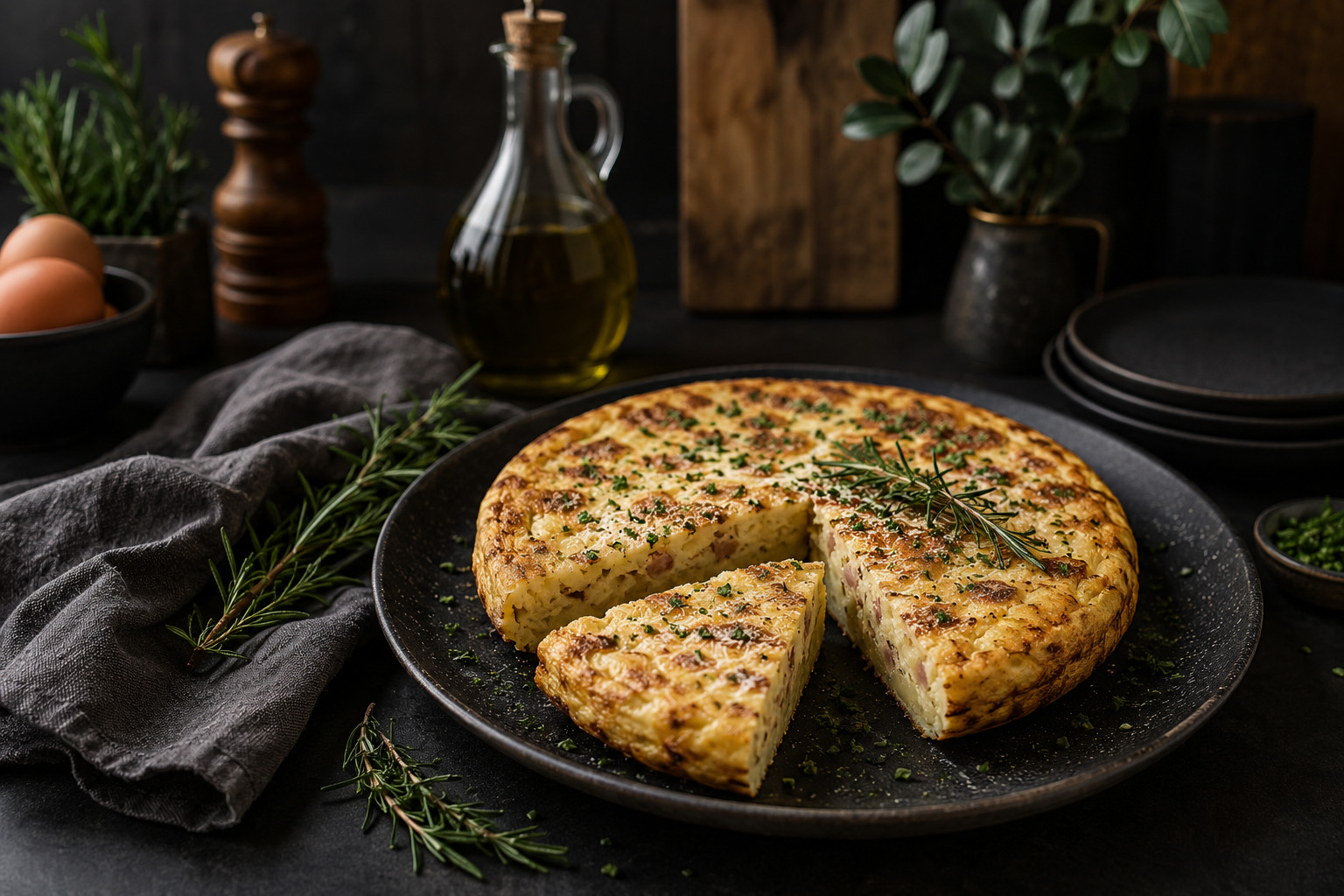
There’s something wonderfully timeless about an Italian Frittata—simple ingredients, honest flavours, and the kind of effortless comfort that feels equally at home on a slow Sunday morning or laid out proudly at a long, leisurely brunch.
This version has become a firm favourite in my kitchen: golden potatoes cooked until tender, ribbons of crisp pancetta, fragrant garden herbs, and generous handfuls of aged Parmesan, all folded through rich eggs and baked until beautifully puffed and golden.
It’s the sort of dish that feels quietly impressive without ever being complicated—hearty enough for breakfast, elegant enough for brunch, and just as welcome for a light supper with a simple salad and a glass of wine. Better still, it can be made ahead and served warm, at room temperature, or sliced straight from the fridge, making it a reliable favourite for busy mornings, lazy weekends, or a house full of hungry guests.
Why You’ll Love This Italian Frittata
Beautifully simple, wonderfully quick – From stovetop to table in around 30 minutes, this is the kind of recipe that feels effortlessly impressive without demanding hours in the kitchen—perfect for busy mornings, relaxed brunches, or those evenings when comfort food calls.
Made with everyday ingredients – Eggs, potatoes, herbs, pancetta, and a generous grating of Parmesan—nothing complicated, just honest ingredients that transform into something truly special.
Rich, satisfying, and naturally protein-packed – With fluffy eggs, savoury cheese, and crisp pancetta in every slice, this is the sort of meal that keeps you feeling full, energised, and thoroughly satisfied.
Perfect from sunrise to supper – Serve it warm from the skillet, pack it for lunch, lay it out for brunch, or enjoy a slice at room temperature with a simple salad and a glass of wine—it fits effortlessly into any part of the day.
One pan, very little fuss – Everything comes together in a single skillet, giving you all the flavour, all the comfort, and hardly any washing up—always a welcome bonus.
What Kind of Potato Should You Use?
The best frittatas begin with the right potato. For this recipe, you’ll want a waxy or all-purpose variety—something that becomes beautifully tender while still holding its shape as it cooks.
If you can find Yukon Gold Potato, they’re hard to beat. Their naturally buttery flavour, golden colour, and creamy texture make them ideal for a skillet frittata, giving you soft, delicate slices that stay beautifully intact from pan to plate.
Red Potato are another excellent choice, with a slightly firmer texture that holds up wonderfully during cooking and adds lovely definition to every slice.
Here in the UK, varieties such as Vivaldi Potato, Estima Potato, or even smaller Jersey Royal work beautifully and bring that same creamy, waxy finish.
I’d steer clear of Russet Potato—or overly floury varieties like Maris Piper if possible—as their higher starch content can cause them to break down in the pan, leaving the frittata a little softer and more mealy rather than giving you those lovely tender, defined pieces throughout.
Make It Your Own
One of the joys of an Italian Frittata is just how effortlessly adaptable it is. Think of this recipe as a starting point rather than a rulebook—perfect for using what’s already in the fridge while still ending up with something that feels beautifully intentional.
Instead of pancetta…
Crisp Bacon works wonderfully, bringing that same smoky, savoury depth. Thin ribbons of Prosciutto, diced ham, or even crumbled sausage are equally delicious. Prefer a meat-free version? Simply leave it out altogether and lean into the vegetables.
Fancy a different potato?
Swap classic potatoes for Sweet Potato for a softer sweetness, or replace them entirely with sautéed peppers, courgettes, mushrooms, or spinach for a lighter, garden-inspired take.
No parmesan on hand?
A generous shaving of Pecorino Romano offers that same salty bite, while Gruyère brings a lovely nutty richness. Even a mature cheddar works beautifully if that’s what’s waiting in the fridge.
Want something a little lighter?
A mix of whole eggs and egg whites still gives you that beautifully airy texture while keeping things slightly lighter.
Fresh herbs not available?
Dried herbs work perfectly well—simply use a little less, as their flavour is more concentrated. Basil, Thyme, or a touch of oregano all feel wonderfully at home here.
Looking for a softer onion flavour?
Swap standard onion for shallots or gently softened leeks for a sweeter, more delicate finish.
What to Serve With Italian Frittata
A warm slice of frittata rarely needs much alongside it, but a few thoughtful additions can turn it into something truly special.
I love serving it with a peppery Arugula salad dressed simply with lemon juice and good olive oil—the freshness cuts beautifully through the richness of the eggs and cheese.
A basket of warm, crusty bread is always welcome, perfect for mopping up every last bite. For brunch, a platter of fresh berries, melon, or citrus adds a lovely contrast, while roasted cherry tomatoes or a simple tomato salad keep everything firmly in that sun-soaked Italian spirit.
A Few Things to Watch For
Keep the heat gentle
The secret to a beautifully tender frittata is patience. Cooking eggs too quickly can leave them firm and rubbery, so stick with a gentle, steady heat for a softer, creamier finish.
Give the potatoes time
Before the eggs ever hit the pan, your potatoes should be completely tender—fork-soft, golden at the edges, and full of flavour. Undercooked potatoes have nowhere to hide.
Flip with confidence
If you’re turning your frittata the traditional way, use a plate slightly larger than your skillet, take a confident breath, and commit to the flip. Hesitation is usually what causes the drama.
Always let it rest
Perhaps the most overlooked step of all—give your frittata five quiet minutes before slicing. It allows everything to settle, the eggs to finish setting, and each slice to come away clean, neat, and beautifully composed.
Prepare
Cook
Serving
Ingredients for Italian Frittata
Simple ingredients, thoughtfully chosen—that’s the beauty of a proper frittata. Each element brings something to the pan, from crisp, savoury depth to fresh, aromatic lift.
For the Skillet Base
-
3 tablespoons extra virgin Olive Oil – for sautéing, roasting, and building flavour from the very first step
-
⅓ cup diced Pancetta – cut into small cubes for those crisp, salty little bites
-
½ onion, finely diced – for gentle sweetness and depth
-
1 garlic clove, minced – because Italian cooking is rarely worse for a little garlic
-
1 medium Potato, peeled and cut into bite-sized chunks – waxy varieties work beautifully here
-
Sea salt, to season
-
Freshly cracked black pepper, to taste
For the Egg & Cheese Mixture
-
10 free-range eggs – rich, golden, and the heart of the dish
-
¾ cup freshly grated Parmesan – nutty, savoury, and wonderfully melty
-
A pinch of sea salt
-
Freshly cracked black pepper
To Finish & Serve
-
A handful of freshly chopped Parsley – for brightness and colour
-
1 tablespoon finely chopped Rosemary – fragrant, earthy, and unmistakably Mediterranean
A little note from my kitchen: grate your cheese fresh if you can. It melts more beautifully, tastes sharper, and gives the finished frittata that lovely golden, almost soufflé-like finish.
How to Make Italian Frittata
Step 1: Prepare Your Mise en Place
Before the pan even hits the heat, take a few quiet minutes to prepare everything. Dice the Pancetta into small cubes, peel and cut the Potato into bite-sized pieces, finely dice the onion, mince the garlic, and chop the fresh Rosemary.
Having everything ready from the start makes the cooking feel effortless—and ensures nothing catches while your attention is elsewhere.
Heat the Olive Oil in a large 10–12 inch oven-safe skillet over a gentle medium heat until it shimmers.
Step 2: Build the Flavour Base
Add the pancetta to the warm oil and cook for 2–3 minutes, allowing it to slowly render its fat and turn lightly golden at the edges.
Stir in the onion and cook for another couple of minutes until softened, sweet, and translucent.
Next, add the potatoes, turning them gently in that fragrant pancetta oil. Cook for 6–8 minutes, stirring occasionally, until the edges begin to colour and the centres are almost tender.
In the final minute, add the garlic and rosemary, stirring constantly as their aroma lifts from the pan and fills the kitchen.
At this stage, the potatoes should be fork-tender but still beautifully intact.
Step 3: Prepare the Egg & Cheese Mixture
While the skillet works its magic, crack the eggs into a large bowl and whisk until silky, light, and fully combined.
Fold through the freshly grated Parmesan, along with a generous pinch of sea salt and freshly cracked black pepper.
If you have a spare minute, let the mixture rest briefly—this gives the cheese time to soften into the eggs, helping it melt more evenly throughout the finished frittata.
Step 4: Set the First Layer
Pour the egg mixture gently over the warm pancetta and vegetables, making sure everything is evenly distributed across the skillet.
Reduce the heat to medium-low and leave the pan undisturbed for 4–6 minutes.
You’ll notice the edges beginning to set first, slowly pulling away from the sides of the pan, while the centre remains softly creamy.
When the outside looks mostly set but the middle still has the slightest wobble, you’re exactly where you want to be.
Step 5: Flip, Finish & Bring It Home
With a little confidence—and a plate slightly larger than your skillet—slide the frittata onto the plate, then carefully invert it back into the pan.
Cook for a further 2–3 minutes over gentle heat until both sides are beautifully golden and the centre is just set to your liking.
Whether you prefer it softly custardy or fully set, the key is not to rush this final moment.
Slide the finished frittata onto a serving plate and scatter generously with freshly chopped Parsley.
Step 6: Slice, Serve & Enjoy
Allow the frittata to rest for a few quiet minutes before slicing—this helps everything settle and gives you beautifully clean wedges.
Serve warm straight from the pan, or let it cool to room temperature for a more relaxed, rustic feel.
It’s wonderful on its own, but even better alongside warm crusty bread, a peppery green salad, and perhaps a glass of something chilled if brunch has turned into lunch.
Storing Your Italian Frittata
One of the many joys of a good frittata is how beautifully it keeps—making it just as useful for meal prep as it is for a leisurely brunch.
To store
Once completely cooled, place any leftover slices in an airtight container or wrap them well and refrigerate for up to 4 days. The flavours deepen beautifully overnight, and if I’m honest, a cold slice straight from the fridge makes a rather excellent breakfast, lunch, or late-night kitchen raid.
To freeze
Frittata freezes surprisingly well, making it perfect for planning ahead. Wrap individual slices tightly, then place them in a freezer-safe container or bag. They’ll keep beautifully for up to 2 months, and freezing in portions means you can take exactly what you need without defrosting the whole batch.
To reheat
For the best texture, warm slices gently in a moderate oven until heated through—the slow heat keeps the eggs tender and creamy rather than overcooked.
Short on time? A quick spin in the microwave works perfectly well too, especially for weekday breakfasts. Heat in short bursts until just warmed through, taking care not to overdo it.
Of course, this Italian frittata is every bit as delicious served cold or at room temperature, which is part of what makes it such a wonderfully versatile dish.

Print & Share
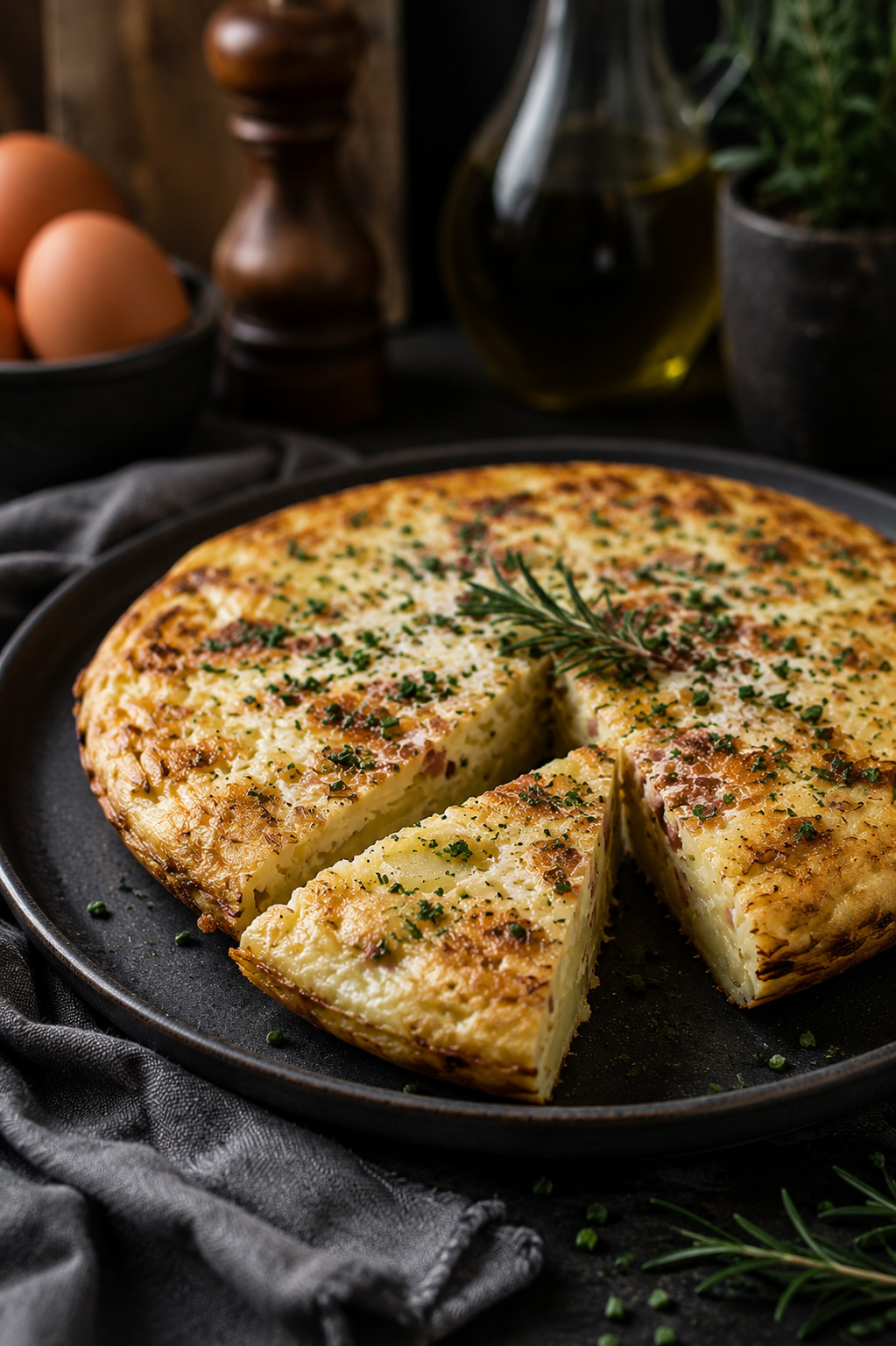

Golden Potato & Herb Italian Frittata
With crisp Pancetta, tender potatoes, fragrant herbs, rich eggs, and generous handfuls of aged Parmesan, every slice delivers that perfect balance of comfort and elegance.
Follow the simple step-by-step method below and you’ll have a golden skillet frittata that’s wonderfully fluffy, deeply savoury, and just as delicious served warm from the pan as it is later at room temperature.
Ingredients
Method
-
Begin by preparing everything before the pan hits the heat. Dice the Pancetta into small cubes, peel and cut the Potato into bite-sized chunks, finely dice the onion, mince the garlic, and finely chop the fresh Rosemary. A little mise en place makes the whole process feel effortless once the cooking begins.
-
Heat the Olive Oil in a large oven-safe skillet over a gentle medium heat. Add the pancetta and cook for 2–3 minutes, allowing it to slowly render its fat and turn lightly crisp around the edges. Stir in the onion and cook until soft, sweet, and translucent, then add the potatoes, turning them occasionally as they cook until tender and beautifully golden in places. In the final minute, add the garlic and rosemary, stirring constantly as their aroma lifts from the pan.
-
While the skillet builds its flavour, crack the eggs into a large bowl and whisk until smooth, airy, and fully combined. Fold through the freshly grated Parmesan, along with a generous pinch of sea salt and freshly cracked black pepper. Let the mixture rest for a moment if you can—this allows the cheese to soften into the eggs for an even richer finish.
-
Pour the egg mixture gently over the warm pancetta and vegetables, making sure everything is evenly distributed across the skillet. Reduce the heat to medium-low and leave it undisturbed for 4–6 minutes. You’ll see the edges begin to set first, slowly pulling away from the sides of the pan, while the centre remains softly creamy with the slightest wobble.
-
When the outside is mostly set, carefully slide the frittata onto a plate, then confidently invert it back into the skillet to cook the second side. Allow it to cook for another 2–3 minutes until both sides are beautifully golden and the centre is set exactly to your liking—softly custardy or fully firm.
-
Slide the finished frittata onto a serving plate, scatter generously with fresh Parsley, and allow it to rest for a few quiet minutes before slicing.
-
Cut into generous wedges and serve warm from the pan, or at room temperature with crusty bread, a simple green salad, and perhaps a glass of something chilled if brunch has quietly become lunch.
Discover more from Table Number Seven
Subscribe to get the latest posts sent to your email.