Search by recipe name, ingredient, category or feature.
Spicy ‘Nduja Pizza
‘Nduja pizza — fiery, indulgent and gloriously messy. Think bubbling cheese, blistered crust and little pockets of spicy ’nduja melting into the sauce. Bold flavours, big personality, and absolutely not a quiet dinner.
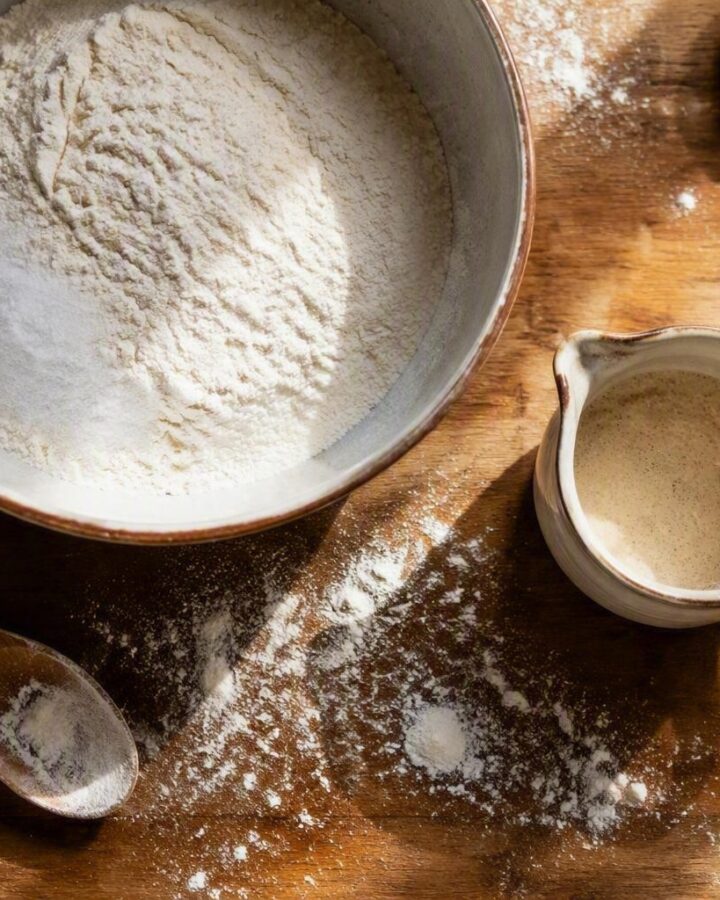
Sift the flours, sugar and salt into a large bowl and mix well. In a small jug, mix the yeast with a splash of the tepid water to form a loose paste.
Make a well in the centre of the dry ingredients and add the yeast mixture. Gradually pour in the remaining water, drawing in the flour a little at a time, until everything comes together into a soft, slightly sticky dough.
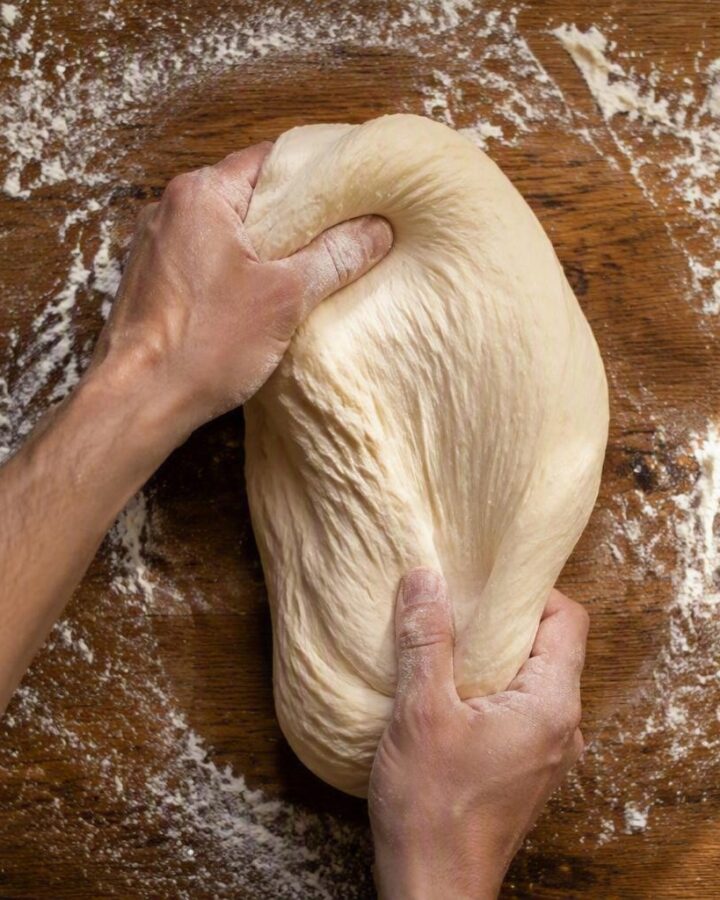
Turn the dough out onto a lightly floured surface and knead for 5–10 minutes, until smooth, elastic and springy. Pop it into a clean bowl, cover with a damp tea towel and leave in a warm place to prove for about 1½ hours, or until almost doubled in size.
Once risen, knock the dough back by gently punching it down and kneading briefly, then divide into four equal balls.
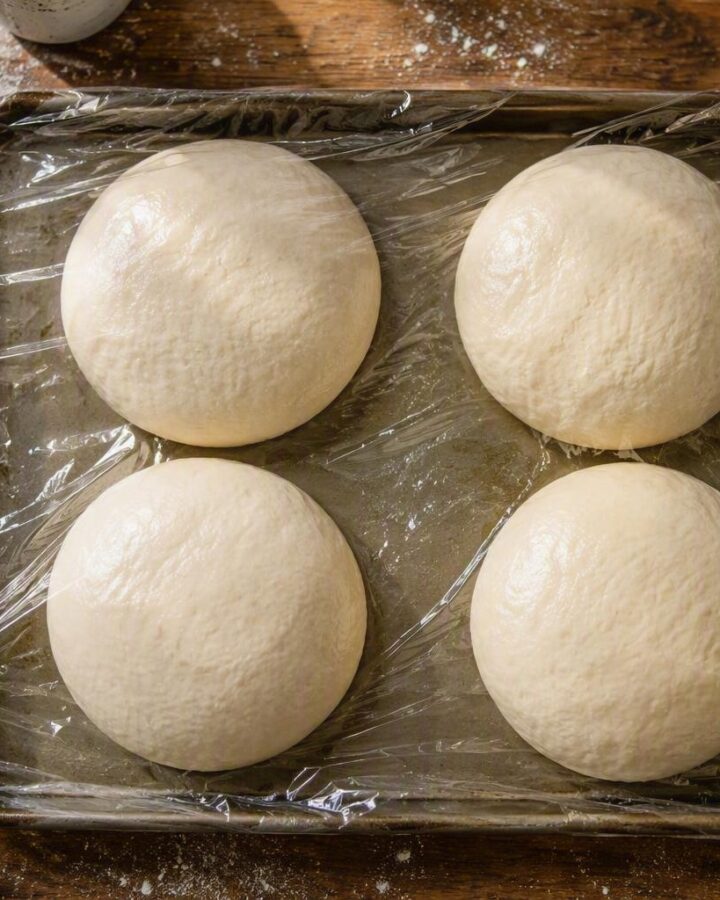
Place the balls on a lightly greased baking tray, spacing them well apart. Cover loosely with lightly greased cling film and leave to prove again — at least 4 hours in a warm room, or overnight in the fridge for even better flavour.
When the dough has doubled again, heat the oven to its highest setting. Put a heavy baking tray or pizza stone inside so it gets seriously hot.
Roll out one dough ball on a floured surface to about 0.5cm thick. Lightly flour an upturned baking tray and transfer the base onto it.
Blitz the tomatoes into a smooth purée. Spoon a little into the centre of the base and spread it almost to the edges.
Scatter over the sheep’s cheese, dollops of ’nduja and a few basil leaves. Drizzle with peanut oil if you’re using it.
Working quickly, slide the pizza from the tray onto the hot stone or baking tray in the oven. Bake for 5–8 minutes, until the base is cooked, the cheese has melted and the tomatoes are bubbling.
Repeat with the remaining dough and toppings, serving each pizza straight away — hot, blistered and glorious.
A few details make all the difference
01
Activate the Yeast Properly
A strong pizza dough starts with lively yeast. Mix the yeast with a small splash of the tepid water first and leave it for a few minutes. If the water is too hot, it can kill the yeast; too cold and it won't activate properly. Aim for lukewarm water that feels comfortable on your wrist.
02
Knead Until Smooth and Elastic
Don't rush the kneading stage. The dough should become silky, stretchy and spring back when lightly pressed. Proper gluten development is what gives the pizza its chewy, airy crust and beautiful oven spring.
03
Give the Dough Time for the Second Rise
The long second proof is where much of the flavour develops. Allow the dough balls plenty of space and avoid rushing them into the oven. An overnight rise in the fridge creates an even more complex, restaurant-quality pizza base.
Why this recipe works
This recipe works because the dough is given plenty of time to develop flavour and structure through two rises, creating a light, airy crust with a chewy texture. Baking on a thoroughly preheated stone or tray delivers intense bottom heat for a crisp base and beautifully blistered edges, while the simple combination of fresh tomato, creamy sheep's cheese, spicy ’nduja and fragrant basil creates the perfect balance of richness, heat and freshness in every bite.
Cook’s notes
The dough makes enough for four pizzas
but if you’re only baking one, the rest can be frozen. After step 5, wrap each dough ball individually in cling film and freeze. When pizza night rolls around again, simply defrost the dough in the fridge and carry on as normal — future you will be very pleased.
Sift the flours, sugar and salt into a large bowl and mix well. In a small jug, mix the yeast with a splash of the tepid water to form a loose paste.
Make a well in the centre of the dry ingredients and add the yeast mixture. Gradually pour in the remaining water, drawing in the flour a little at a time, until everything comes together into a soft, slightly sticky dough.
Turn the dough out onto a lightly floured surface and knead for 5–10 minutes, until smooth, elastic and springy. Pop it into a clean bowl, cover with a damp tea towel and leave in a warm place to prove for about 1½ hours, or until almost doubled in size.
Once risen, knock the dough back by gently punching it down and kneading briefly, then divide into four equal balls.
Place the balls on a lightly greased baking tray, spacing them well apart. Cover loosely with lightly greased cling film and leave to prove again — at least 4 hours in a warm room, or overnight in the fridge for even better flavour.
When the dough has doubled again, heat the oven to its highest setting. Put a heavy baking tray or pizza stone inside so it gets seriously hot.
Roll out one dough ball on a floured surface to about 0.5cm thick. Lightly flour an upturned baking tray and transfer the base onto it.
Blitz the tomatoes into a smooth purée. Spoon a little into the centre of the base and spread it almost to the edges.
Scatter over the sheep’s cheese, dollops of ’nduja and a few basil leaves. Drizzle with peanut oil if you’re using it.
Working quickly, slide the pizza from the tray onto the hot stone or baking tray in the oven. Bake for 5–8 minutes, until the base is cooked, the cheese has melted and the tomatoes are bubbling.
Repeat with the remaining dough and toppings, serving each pizza straight away — hot, blistered and glorious.
Cook’s notes
The dough makes enough for four pizzas: but if you’re only baking one, the rest can be frozen. After step 5, wrap each dough ball individually in cling film and freeze. When pizza night rolls around again, simply defrost the dough in the fridge and carry on as normal — future you will be very pleased.
Cooking mode
Spicy ‘Nduja Pizza
Sift the flours, sugar and salt into a large bowl and mix well. In a small jug, mix the yeast with a splash of the tepid water to form a loose paste.
Make a well in the centre of the dry ingredients and add the yeast mixture. Gradually pour in the remaining water, drawing in the flour a little at a time, until everything comes together into a soft, slightly sticky dough.
Turn the dough out onto a lightly floured surface and knead for 5–10 minutes, until smooth, elastic and springy. Pop it into a clean bowl, cover with a damp tea towel and leave in a warm place to prove for about 1½ hours, or until almost doubled in size.
Once risen, knock the dough back by gently punching it down and kneading briefly, then divide into four equal balls.
Place the balls on a lightly greased baking tray, spacing them well apart. Cover loosely with lightly greased cling film and leave to prove again — at least 4 hours in a warm room, or overnight in the fridge for even better flavour.
When the dough has doubled again, heat the oven to its highest setting. Put a heavy baking tray or pizza stone inside so it gets seriously hot.
Roll out one dough ball on a floured surface to about 0.5cm thick. Lightly flour an upturned baking tray and transfer the base onto it.
Blitz the tomatoes into a smooth purée. Spoon a little into the centre of the base and spread it almost to the edges.
Scatter over the sheep’s cheese, dollops of ’nduja and a few basil leaves. Drizzle with peanut oil if you’re using it.
Working quickly, slide the pizza from the tray onto the hot stone or baking tray in the oven. Bake for 5–8 minutes, until the base is cooked, the cheese has melted and the tomatoes are bubbling.
Repeat with the remaining dough and toppings, serving each pizza straight away — hot, blistered and glorious.
A letter from table number seven
Something delicious for the weekend.
Seasonal recipes and stories, delivered occasionally.
error: Content is protected !!
We use cookies to ensure that we give you the best experience on our website. If you continue to use this site we will assume that you are happy with it.