Search by recipe name, ingredient, category or feature.
Farmhouse Duck Ragù with Gentle Herbs
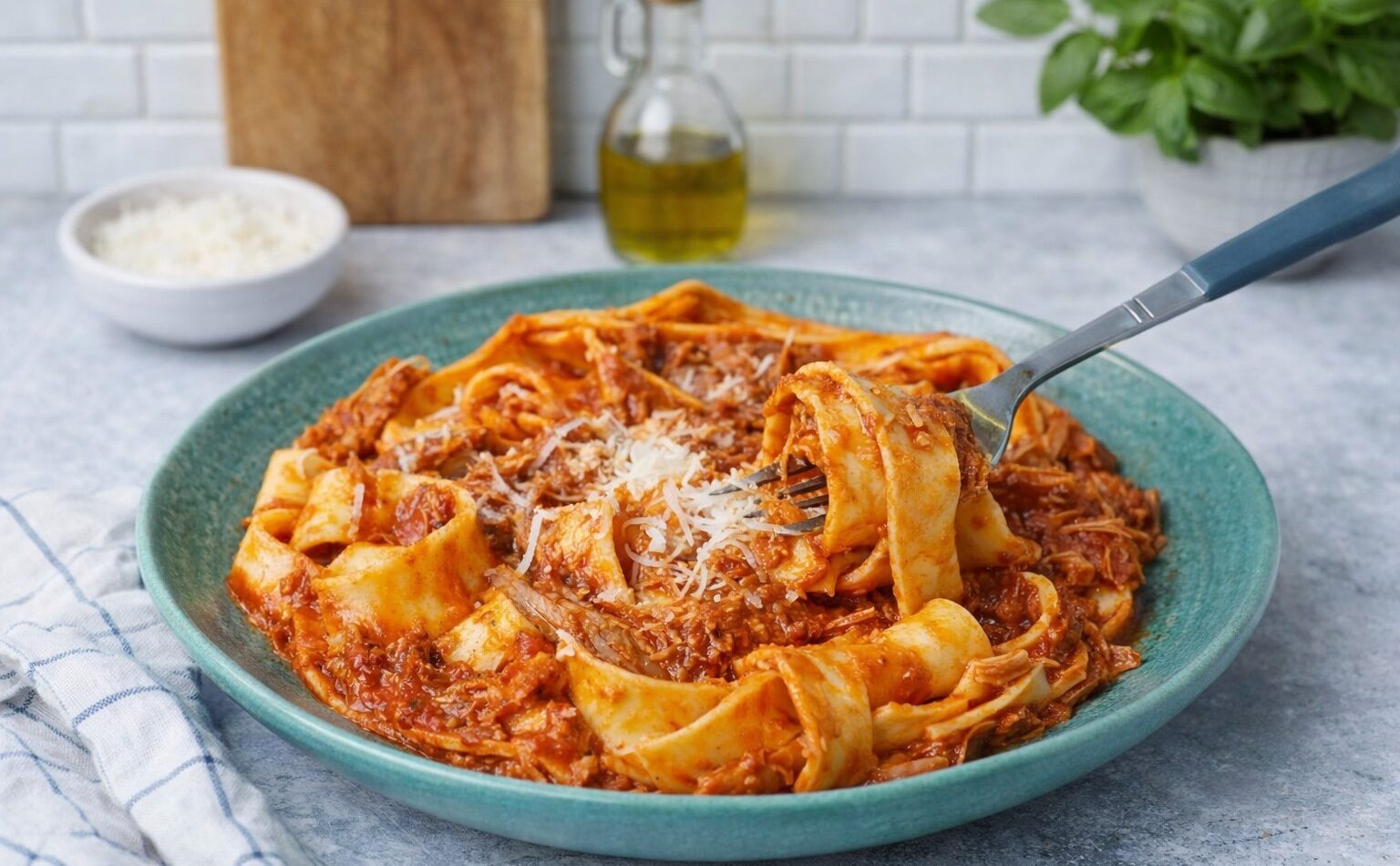
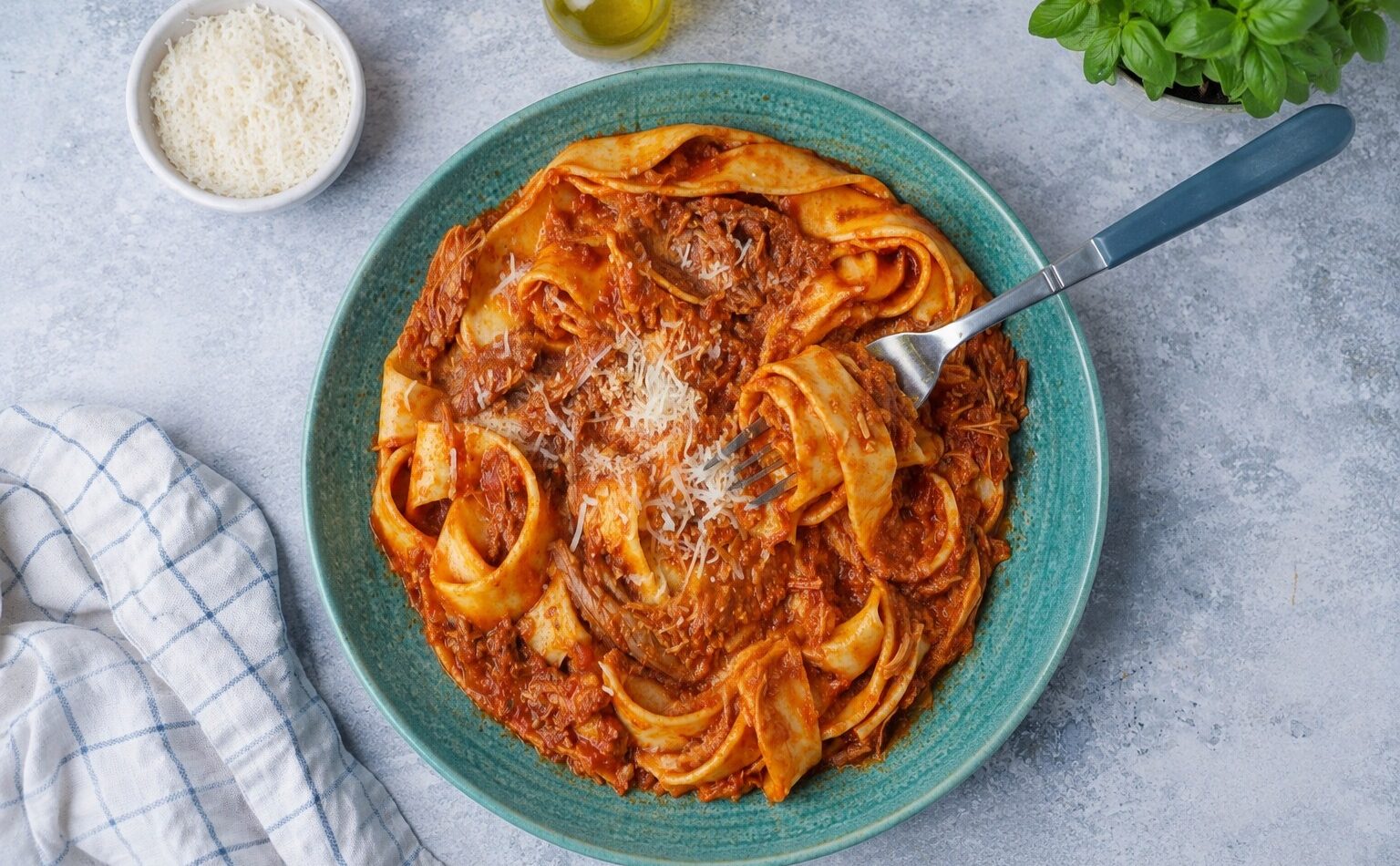
Duck ragù is a quietly indulgent take on a familiar classic—richer, deeper, and just a little more considered. Duck legs are slow-simmered in an aromatic tomato sauce until the meat becomes meltingly tender, then gently shredded back through the sauce, giving it body and depth in equal measure.
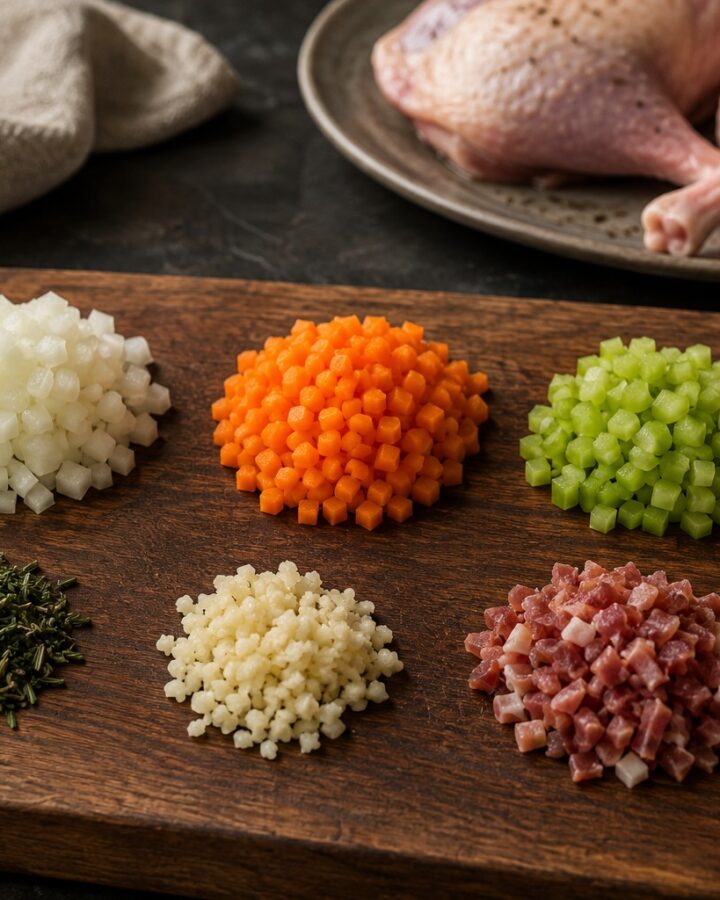
Built slowly, with care at each step - Begin by preparing the base: finely chop the onion, carrot, celery, rosemary, prosciutto, and garlic, keeping everything small and even so it melts gently into the sauce. Trim any excess fat from the duck legs, then season them well with salt and pepper.
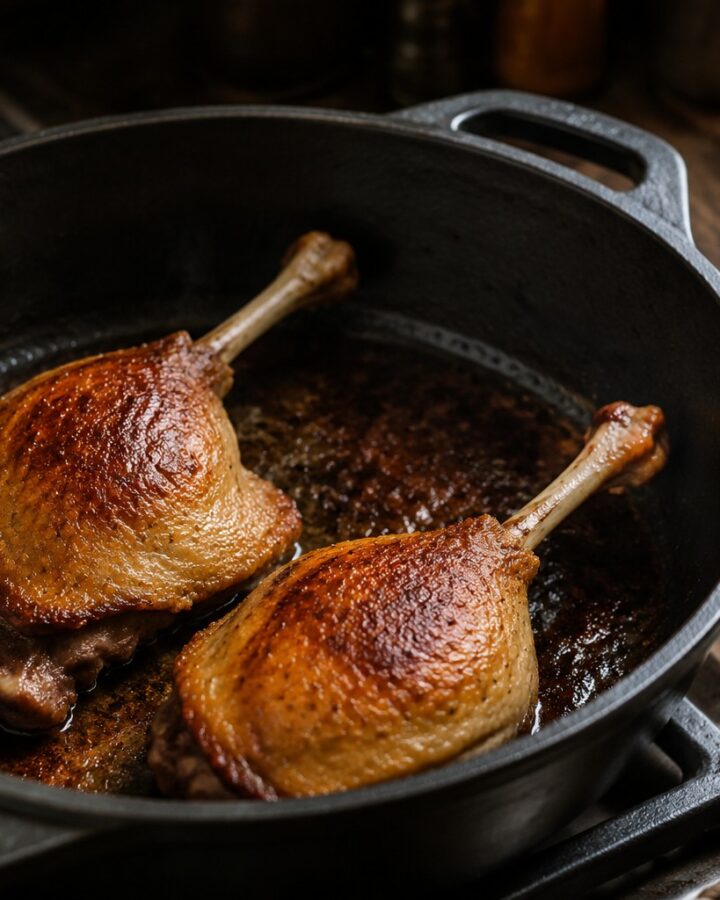
Warm the olive oil in a large, heavy-based pot over a medium heat. Add the duck legs and brown them deeply on both sides until golden, then lift them out and set aside.
In the same pot, add the prosciutto and cook briefly until lightly coloured. Stir in the chopped onion, carrot, celery, and rosemary, allowing them to soften and sweeten for a few minutes. Add the garlic and dried mushrooms, cooking just until their aroma lifts.
Pour in the wine and let it reduce gently, leaving behind depth without sharpness. Add the stock and tomato passata, stirring everything together into a smooth, cohesive sauce. Return the duck legs to the pot, ensuring they are nestled and submerged.
Let the ragù simmer very gently, uncovered, for 2 to 2½ hours, turning the legs once as it cooks. The meat should become tender enough to fall easily from the bone.
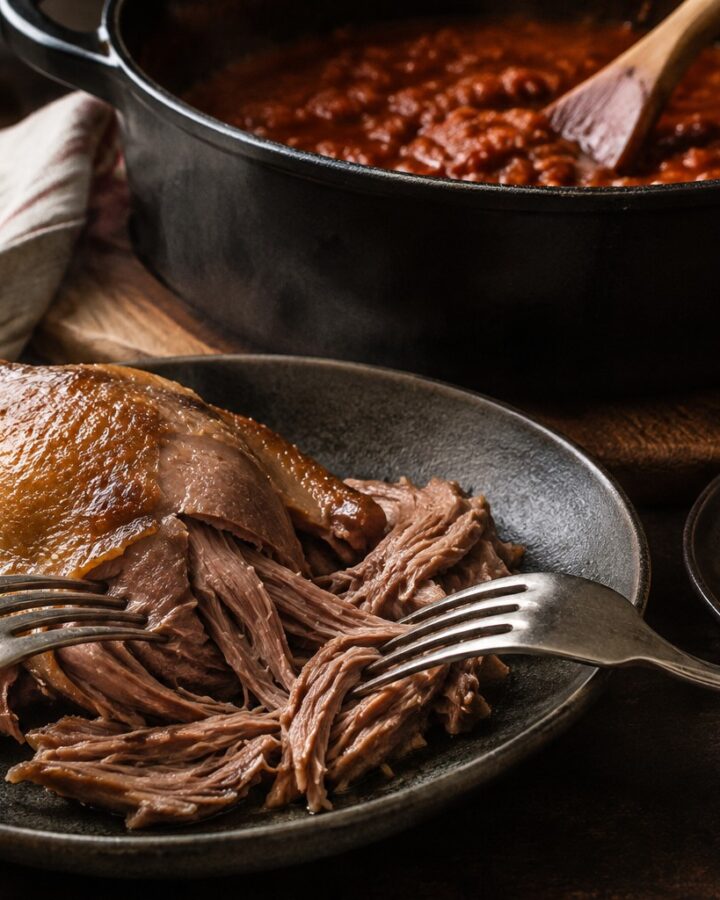
Lift the duck from the pot, shred the meat using two forks, and discard the bones and skin. Return the shredded meat to the sauce, stirring through until warmed and well combined.
Taste and adjust the seasoning, then serve with al dente pasta and a generous scattering of Parmesan.
A few details make all the difference
01
Cut Everything Finely and Evenly
Keep the onion, carrot, celery, rosemary, garlic and prosciutto uniformly small. This allows the aromatic base to soften slowly and almost disappear into the finished sauce.
02
Brown Deeply, Then Reduce Gently
Give the duck time to develop a rich golden crust before lifting it from the pot. When adding the wine, let it simmer until noticeably reduced, leaving depth and sweetness without any sharpness.
03
Simmer Low, Then Shred Gently
The ragù should barely bubble during its long cooking time. Once the duck yields easily, remove the skin and bones, pull the warm meat into generous strands and fold it gently back through the sauce
Why this recipe works
Duck ragù is something altogether deeper and more quietly indulgent than its better-known counterparts. Here, duck legs are given time—slowly braised until the meat yields effortlessly, then folded back into a rich, gently simmered sauce layered with tomato, wine, and soft aromatics. The result is full-bodied and comforting, with a subtle game richness that feels both rustic and refined.
Cook’s notes
Serving
This ragù is at its best when folded through wide ribbons of pappardelle or tagliatelle, where the sauce can cling to every curve. Penne works just as well for something a little more everyday, while soft potato gnocchi or a spooned bed of creamy polenta offer a gentler, more comforting alternative.
KeepingMade to be enjoyed again
Store the ragù and pasta separately to keep everything at its best. The sauce will keep well in the fridge for up to 3–4 days, and freezes beautifully for several months—ready for an easy, deeply satisfying meal when needed.
Make it lighter
If you prefer a lighter finish, allow the sauce to cool completely, then chill it. Any excess fat will rise to the surface and can be easily lifted away before reheating, leaving the flavour intact but the texture a little more refined.
Built slowly, with care at each step - Begin by preparing the base: finely chop the onion, carrot, celery, rosemary, prosciutto, and garlic, keeping everything small and even so it melts gently into the sauce. Trim any excess fat from the duck legs, then season them well with salt and pepper.
Warm the olive oil in a large, heavy-based pot over a medium heat. Add the duck legs and brown them deeply on both sides until golden, then lift them out and set aside.
In the same pot, add the prosciutto and cook briefly until lightly coloured. Stir in the chopped onion, carrot, celery, and rosemary, allowing them to soften and sweeten for a few minutes. Add the garlic and dried mushrooms, cooking just until their aroma lifts.
Pour in the wine and let it reduce gently, leaving behind depth without sharpness. Add the stock and tomato passata, stirring everything together into a smooth, cohesive sauce. Return the duck legs to the pot, ensuring they are nestled and submerged.
Let the ragù simmer very gently, uncovered, for 2 to 2½ hours, turning the legs once as it cooks. The meat should become tender enough to fall easily from the bone.
Lift the duck from the pot, shred the meat using two forks, and discard the bones and skin. Return the shredded meat to the sauce, stirring through until warmed and well combined.
Taste and adjust the seasoning, then serve with al dente pasta and a generous scattering of Parmesan.
Cook’s notes
Serving: This ragù is at its best when folded through wide ribbons of pappardelle or tagliatelle, where the sauce can cling to every curve. Penne works just as well for something a little more everyday, while soft potato gnocchi or a spooned bed of creamy polenta offer a gentler, more comforting alternative.
Keeping:
Made to be enjoyed again: Store the ragù and pasta separately to keep everything at its best. The sauce will keep well in the fridge for up to 3–4 days, and freezes beautifully for several months—ready for an easy, deeply satisfying meal when needed.
Make it lighter: If you prefer a lighter finish, allow the sauce to cool completely, then chill it. Any excess fat will rise to the surface and can be easily lifted away before reheating, leaving the flavour intact but the texture a little more refined.
Cooking mode
Farmhouse Duck Ragù with Gentle Herbs
Built slowly, with care at each step - Begin by preparing the base: finely chop the onion, carrot, celery, rosemary, prosciutto, and garlic, keeping everything small and even so it melts gently into the sauce. Trim any excess fat from the duck legs, then season them well with salt and pepper.
Warm the olive oil in a large, heavy-based pot over a medium heat. Add the duck legs and brown them deeply on both sides until golden, then lift them out and set aside.
In the same pot, add the prosciutto and cook briefly until lightly coloured. Stir in the chopped onion, carrot, celery, and rosemary, allowing them to soften and sweeten for a few minutes. Add the garlic and dried mushrooms, cooking just until their aroma lifts.
Pour in the wine and let it reduce gently, leaving behind depth without sharpness. Add the stock and tomato passata, stirring everything together into a smooth, cohesive sauce. Return the duck legs to the pot, ensuring they are nestled and submerged.
Let the ragù simmer very gently, uncovered, for 2 to 2½ hours, turning the legs once as it cooks. The meat should become tender enough to fall easily from the bone.
Lift the duck from the pot, shred the meat using two forks, and discard the bones and skin. Return the shredded meat to the sauce, stirring through until warmed and well combined.
Taste and adjust the seasoning, then serve with al dente pasta and a generous scattering of Parmesan.
A letter from table number seven
Something delicious for the weekend.
Seasonal recipes and stories, delivered occasionally.
error: Content is protected !!
We use cookies to ensure that we give you the best experience on our website. If you continue to use this site we will assume that you are happy with it.