Search by recipe name, ingredient, category or feature.
Slow-Braised Greek Stifado, House Style
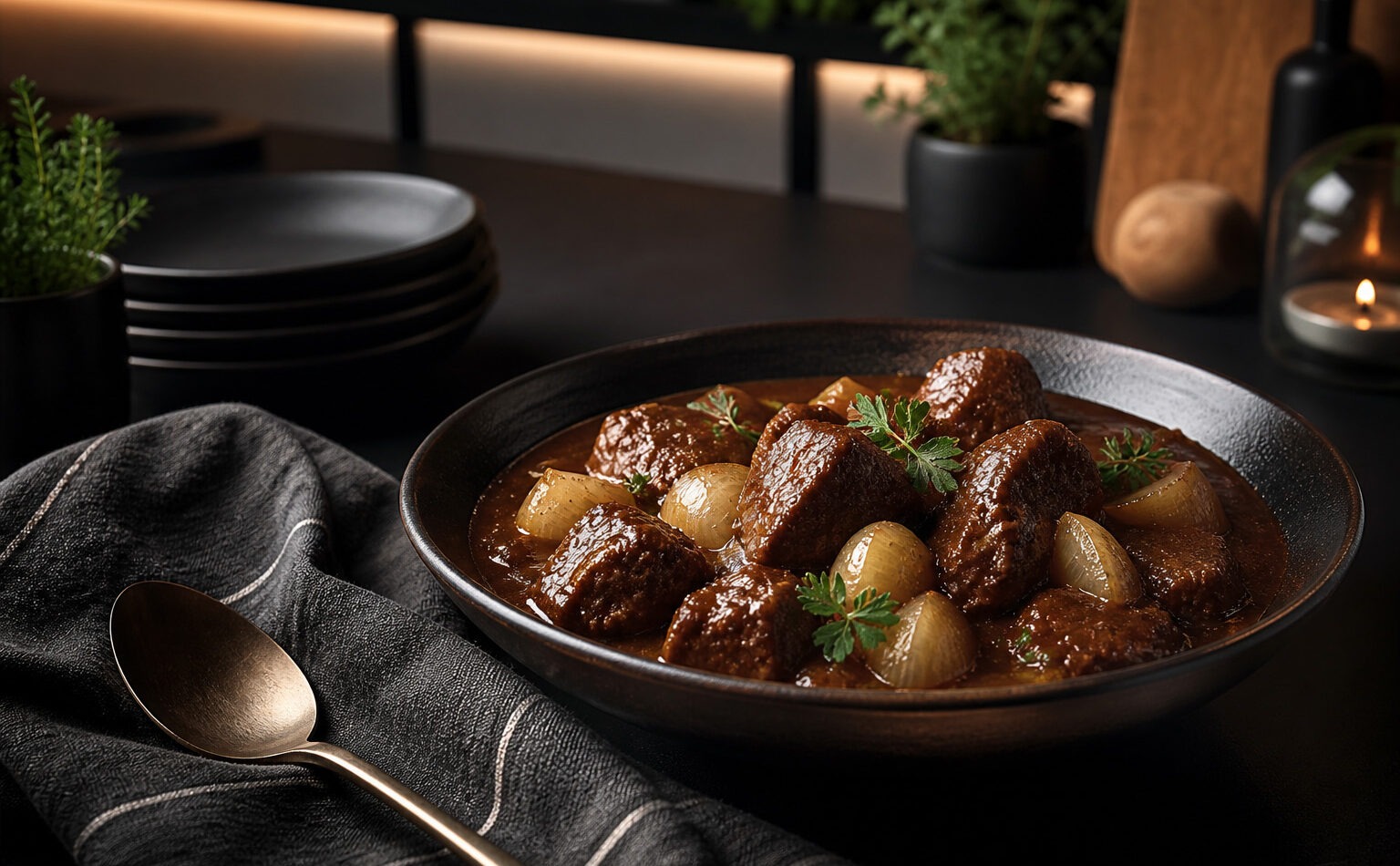
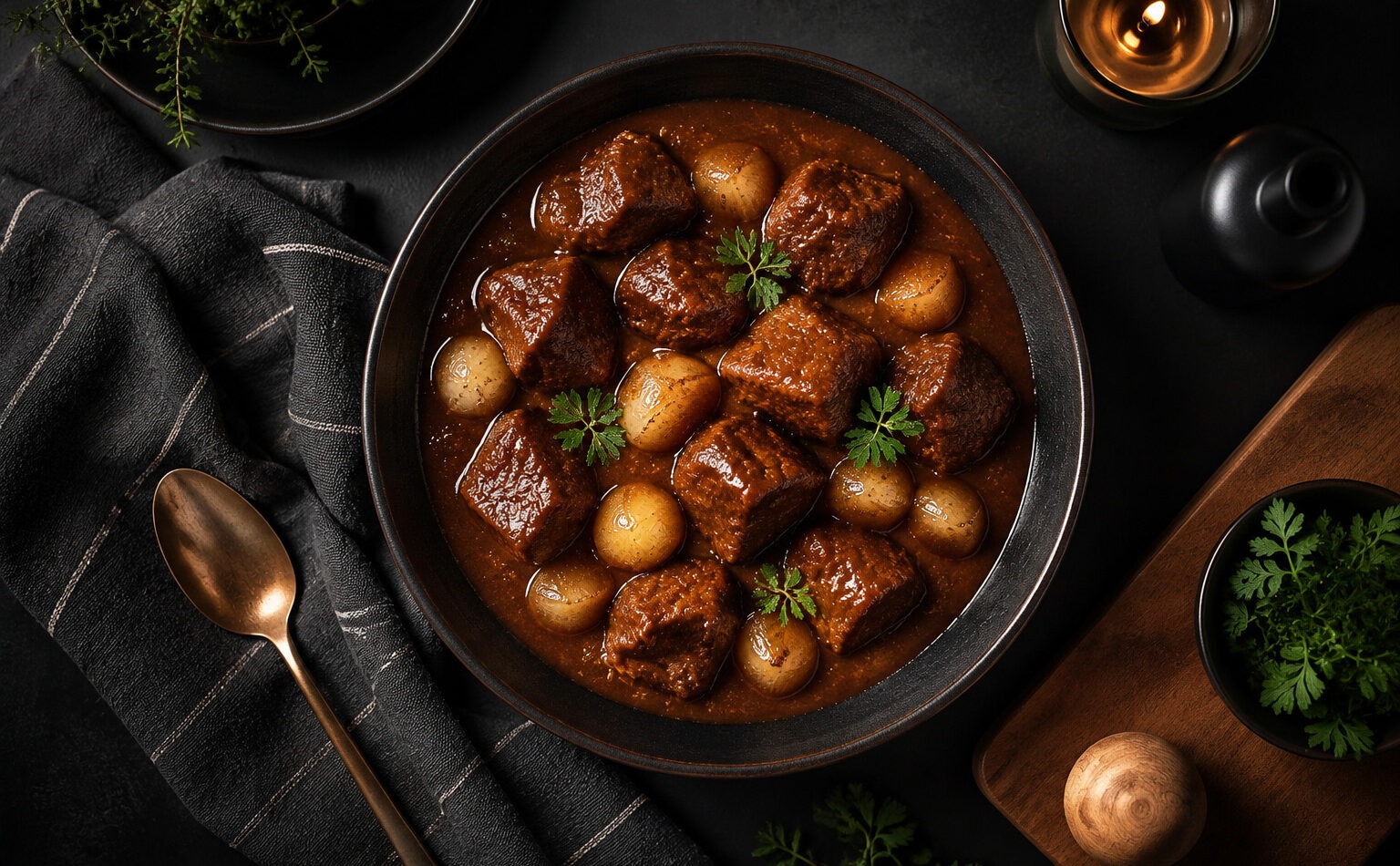
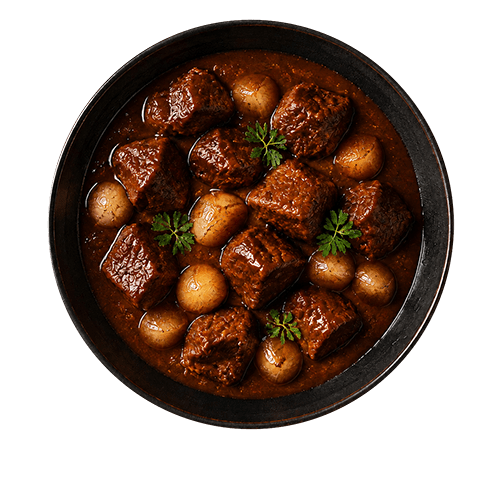
Bring the warmth of Greece to your table with this rich, slow-simmered beef stifado—a deeply comforting, soul-soothing stew made for generous spoonfuls, second helpings, and sharing with the people you love.
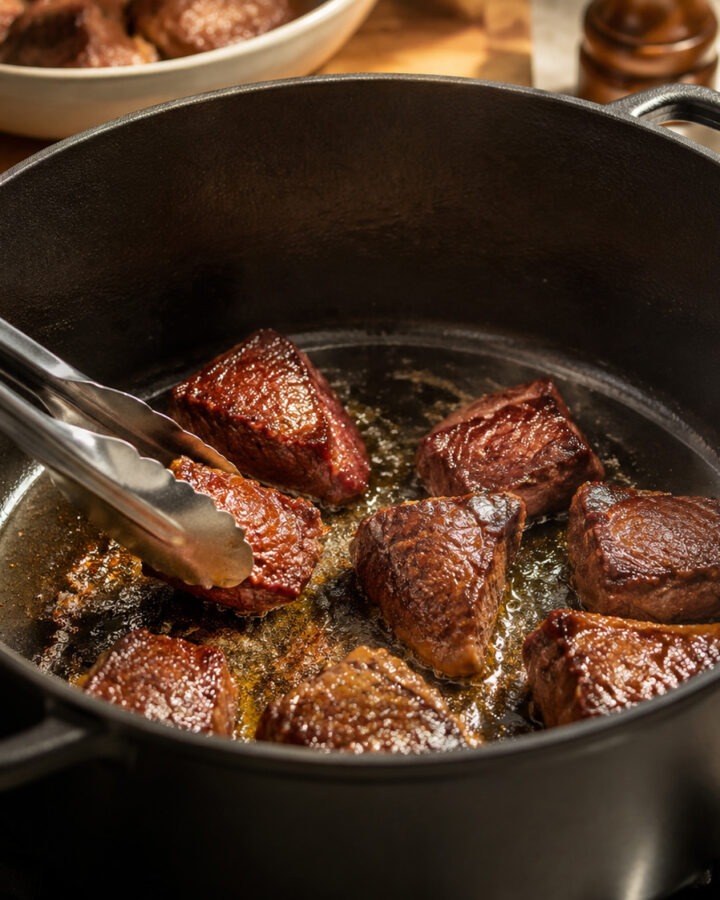
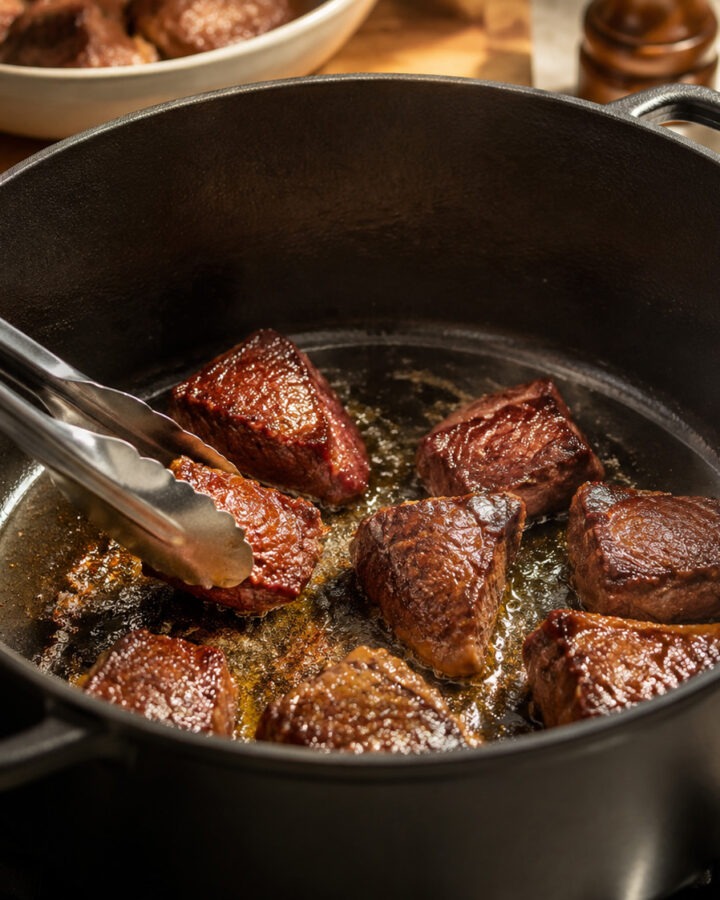
Heat a large Dutch oven or heavy-based casserole over a medium-high heat and add the olive oil. Once shimmering, add the beef in batches, allowing each piece to develop a deep, caramelised crust on all sides—about 4–5 minutes per side. Don’t overcrowd the pot; colour is flavour here. Transfer the browned beef to a plate and set aside.
In the same pot, lower the heat to medium and add the shallots, letting them soften gently for 3–4 minutes until glossy and translucent. Stir in the garlic and cook for another minute or two, just until fragrant and beginning to sweeten.
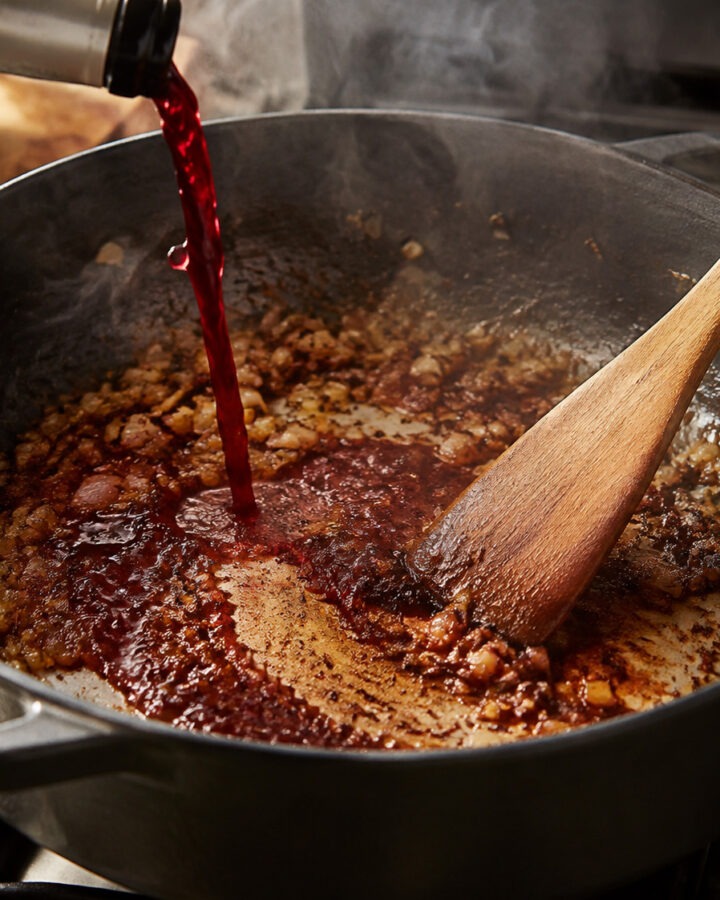
Pour in the red wine, letting it hiss and bubble as it lifts all those rich, caramelised bits from the bottom of the pot. Give it 2–3 minutes to reduce slightly, then stir through the tomato passata, cinnamon sticks, cloves, and allspice until beautifully combined.
Return the beef—along with any resting juices—back to the pot, add the bay leaves, and pour in enough water or stock to just cover. Bring everything to a gentle boil, then reduce the heat to low, partially cover, and let it quietly simmer for 1½–2 hours, stirring occasionally, until the beef is meltingly tender and the sauce is rich, glossy, and deeply aromatic.
Taste, season generously with sea salt and freshly cracked black pepper, and loosen with a splash of stock if needed. Finish with a scattering of fresh parsley, bring the pot straight to the table… and let this little taste of Greece do the rest.
A few details make all the difference
01
The beef
Pat the beef dry before browning, and cook it in batches so each piece develops a deep, flavourful crust.
02
The sauce
Deglaze thoroughly with the red wine, scraping up the caramelised bits from the bottom—they add richness to the sauce.
03
Simmering
Keep the stew at a gentle simmer, partially covered. Check occasionally and add a splash of stock if the sauce becomes too thick before the beef is tender.
Why this recipe works
Big, Slow-Cooked Comfort - This is the sort of dish that turns an ordinary evening into something worth lingering over. Rich, warming, and deeply satisfying, it’s made for chilly nights, long conversations, and tables that stay full a little longer. Layer Upon Layer of Flavour - Tender beef, meltingly sweet shallots, ripe tomatoes, red wine, and warming spices create a sauce that’s bold, fragrant, and completely spoon-worthy. Every bite feels a little more indulgent than the last. Effortless, Yet Impressive - The beauty of stifado lies in its simplicity—just a little prep, a low flame, and time doing what time does best. The result? Something that tastes as though you’ve been cooking all day… because, technically, you have.
Cook’s notes
Take Your Time with the Browning
Colour equals flavour here. Let the beef develop a deep, caramelised crust before turning—dark golden edges mean richer sauce, deeper character, and a far more memorable pot of stifado. If the pan feels crowded, work in batches. It’s worth it.
Watch the Pot, Not the Clock
Every pot behaves a little differently. If the sauce starts reducing too quickly, add a splash of stock or hot water to keep everything glossy, rich, and beautifully spoonable
Season in Layers
A little salt early on builds depth, but the final seasoning matters most. Taste as you go, then adjust right at the end—sometimes one final pinch is all it takes to make every flavour suddenly sing.
Let the Spices Work Quietly
Cinnamon, cloves, and allspice should whisper, not shout. The goal is warmth, depth, and intrigue—not Christmas pudding.
Heat a large Dutch oven or heavy-based casserole over a medium-high heat and add the olive oil. Once shimmering, add the beef in batches, allowing each piece to develop a deep, caramelised crust on all sides—about 4–5 minutes per side. Don’t overcrowd the pot; colour is flavour here. Transfer the browned beef to a plate and set aside.
In the same pot, lower the heat to medium and add the shallots, letting them soften gently for 3–4 minutes until glossy and translucent. Stir in the garlic and cook for another minute or two, just until fragrant and beginning to sweeten.
Pour in the red wine, letting it hiss and bubble as it lifts all those rich, caramelised bits from the bottom of the pot. Give it 2–3 minutes to reduce slightly, then stir through the tomato passata, cinnamon sticks, cloves, and allspice until beautifully combined.
Return the beef—along with any resting juices—back to the pot, add the bay leaves, and pour in enough water or stock to just cover. Bring everything to a gentle boil, then reduce the heat to low, partially cover, and let it quietly simmer for 1½–2 hours, stirring occasionally, until the beef is meltingly tender and the sauce is rich, glossy, and deeply aromatic.
Taste, season generously with sea salt and freshly cracked black pepper, and loosen with a splash of stock if needed. Finish with a scattering of fresh parsley, bring the pot straight to the table… and let this little taste of Greece do the rest.
Cook’s notes
Take Your Time with the Browning: Colour equals flavour here. Let the beef develop a deep, caramelised crust before turning—dark golden edges mean richer sauce, deeper character, and a far more memorable pot of stifado. If the pan feels crowded, work in batches. It’s worth it.
Watch the Pot, Not the Clock: Every pot behaves a little differently. If the sauce starts reducing too quickly, add a splash of stock or hot water to keep everything glossy, rich, and beautifully spoonable
Season in Layers: A little salt early on builds depth, but the final seasoning matters most. Taste as you go, then adjust right at the end—sometimes one final pinch is all it takes to make every flavour suddenly sing.
Let the Spices Work Quietly: Cinnamon, cloves, and allspice should whisper, not shout. The goal is warmth, depth, and intrigue—not Christmas pudding.
Cooking mode
Slow-Braised Greek Stifado, House Style
Heat a large Dutch oven or heavy-based casserole over a medium-high heat and add the olive oil. Once shimmering, add the beef in batches, allowing each piece to develop a deep, caramelised crust on all sides—about 4–5 minutes per side. Don’t overcrowd the pot; colour is flavour here. Transfer the browned beef to a plate and set aside.
In the same pot, lower the heat to medium and add the shallots, letting them soften gently for 3–4 minutes until glossy and translucent. Stir in the garlic and cook for another minute or two, just until fragrant and beginning to sweeten.
Pour in the red wine, letting it hiss and bubble as it lifts all those rich, caramelised bits from the bottom of the pot. Give it 2–3 minutes to reduce slightly, then stir through the tomato passata, cinnamon sticks, cloves, and allspice until beautifully combined.
Return the beef—along with any resting juices—back to the pot, add the bay leaves, and pour in enough water or stock to just cover. Bring everything to a gentle boil, then reduce the heat to low, partially cover, and let it quietly simmer for 1½–2 hours, stirring occasionally, until the beef is meltingly tender and the sauce is rich, glossy, and deeply aromatic.
Taste, season generously with sea salt and freshly cracked black pepper, and loosen with a splash of stock if needed. Finish with a scattering of fresh parsley, bring the pot straight to the table… and let this little taste of Greece do the rest.
A letter from table number seven
Something delicious for the weekend.
Seasonal recipes and stories, delivered occasionally.
error: Content is protected !!
We use cookies to ensure that we give you the best experience on our website. If you continue to use this site we will assume that you are happy with it.